Singapore’s EV Transition Is Accelerating - Here’s What It Means for the Market
As outlined by Land Transport Authority (LTA) Singapore , Singapore will cease new diesel car and taxi registrations from 2025. By 2030, all new car registrations must be of cleaner-energy models, including electric, hybrid, or hydrogen vehicles.

This shift is not just about transportation. It is beginning to reshape expectations across residential and commercial properties.
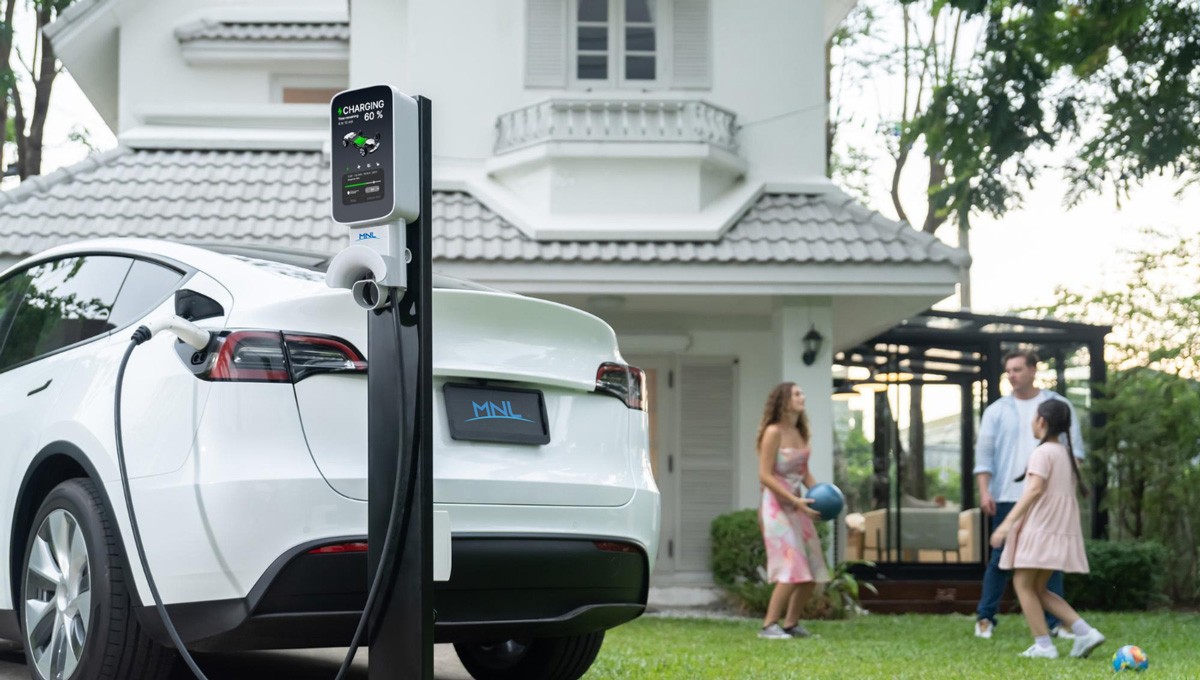
We are seeing a growing number of residents and tenants factoring EV readiness into their decision-making. Developments without charging infrastructure are increasingly being compared against those that are already equipped or future-ready. As a result, many MCSTs and property owners are starting to explore how to implement EV charging in a way that is both practical and sustainable.
At the same time, government support remains available, but within defined timelines. Grants such as the EV Common Charger Grant (ECCG), which co-funds up to $4,000 per charger for private residential developments, are limited. Incentives for EV adoption are also gradually being adjusted over the coming years.
This creates a window of opportunity for early movers to plan and implement the right infrastructure.
What is becoming increasingly clear is that EV charging is evolving from an optional amenity into a core component of property infrastructure. The conversation is no longer centred on whether chargers are needed, but rather how they can be deployed efficiently, without placing unnecessary financial or operational burden on the property.
In response, the market is seeing a shift towards models that remove upfront cost barriers while ensuring long-term operability and scalability.
At MNL Solutions, we are an LTA-licensed EV Charge Point Operator (EVCO), having deployed more than 900 EV chargers across Singapore and engaged with over 1,500 MCSTs. This has given us a clear view of how quickly adoption is accelerating and how important it is for developments to take a forward-looking approach .
The direction is clear. The question now is how each property positions itself in response to this transition.
For property owners or managers currently evaluating EV charging infrastructure, we would be glad to share insights based on what we are seeing across the market.